

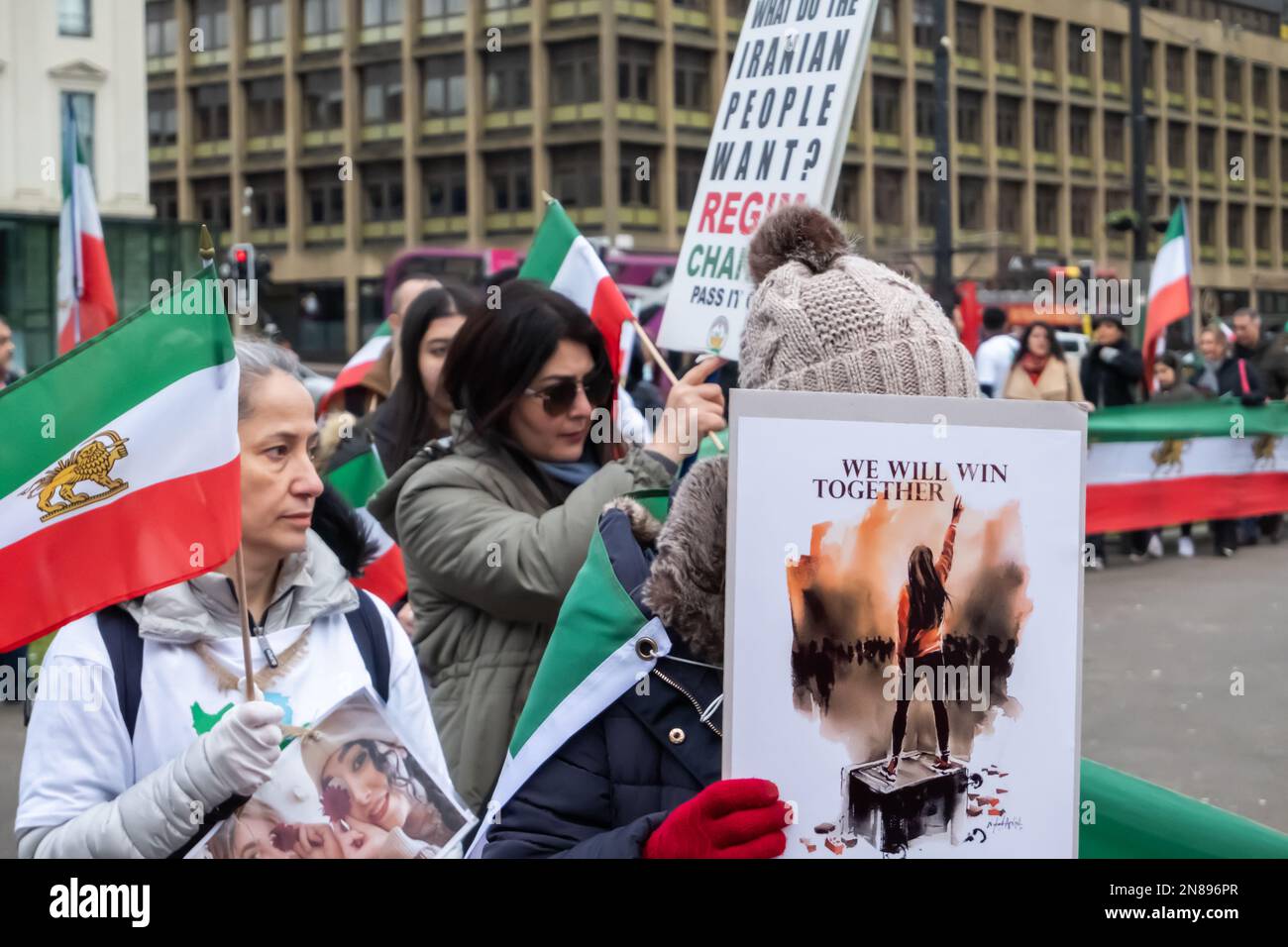
The fight for human rights has been a long and arduous journey, fraught with resistance and resilience. Across the globe, countless individuals and organizations rally together in solidarity against the systemic protest against human rights violations that undermine the very essence of our humanity. As we navigate through history, the emergence of social movements sheds light on the overarching themes of injustice and the quest for dignity.
The foundation of the modern human rights movement can be traced back to the aftermath of World War II and the establishment of the United Nations in 1945. The Universal Declaration of Human Rights (UDHR), adopted in 1948, marked a significant milestone by outlining fundamental rights to which all people are inherently entitled. It is essential to understand the historical context in which this declaration was born, as it arose from the ashes of unprecedented suffering and loss.
However, the journey towards universal recognition and protection of these rights has been anything but smooth. Various regions of the world experience diverse forms of oppression, manifesting through authoritarian governance, racial discrimination, gender-based violence, and socio-economic inequality. These issues have ignited protests, bringing together individuals from all walks of life who are united by the desire to challenge these injustices.
Protests serve as a powerful tool for change, mobilizing communities and drawing attention to human rights violations that may otherwise go unnoticed. History provides numerous examples that highlight the effectiveness of collective action. The Civil Rights Movement in the United States, for instance, exemplifies how peaceful protests can dismantle systemic racism and promote legislative change.
Moreover, movements like Black Lives Matter have gained global traction, highlighting the importance of addressing racial injustice and police brutality. Demonstrators don’t only seek to challenge specific incidents; they strive for broader societal reform, creating conversations around systemic racism and its far-reaching implications.
In recent years, technology and social media have transformed the landscape of protests. The Arab Spring in 2011 showcased the potential for digital platforms to organize mass protests against oppressive regimes effectively. Citizens utilized social media to communicate, organize, and document their struggles in real-time, thus simplifying the mobilization process.
Today, hashtag activism has turned online platforms into spaces for advocacy, allowing people to rally around specific issues such as climate justice, refugee rights, and LGBTQ+ rights. Though the methods may have evolved, the underlying principle remains the same: to demand justice and hold powerful entities accountable.
International organizations, including Amnesty International and Human Rights Watch, play a crucial role in documenting violations and supporting grassroots movements. They amplify the voices of those who are often silenced and hold governments accountable for their actions. These organizations advocate for victims, raising awareness and fostering solidarity across borders.
Furthermore, bodies like the International Criminal Court (ICC) provide legal avenues for addressing crimes against humanity, war crimes, and genocide, acting as a deterrent against further violations. However, challenges remain regarding the enforcement of international law and the political will of states to comply.
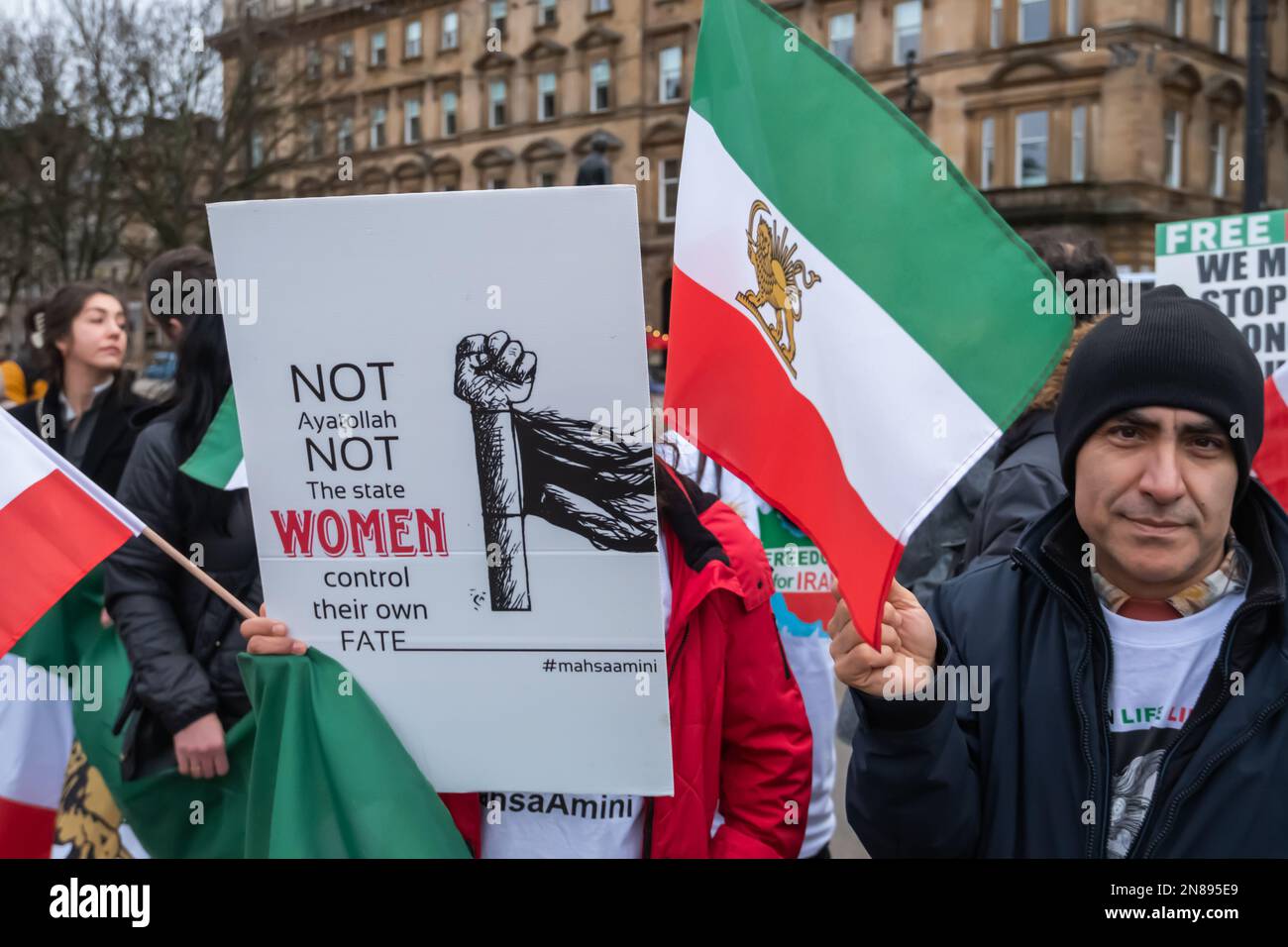
Protests often lead to tangible change within legal frameworks. The tireless advocacy of activists has resulted in landmark legislation aimed at protecting human rights. For instance, the #MeToo movement has sparked widespread reforms in policies regarding sexual harassment and assault in various countries, compelling institutions to address these issues head-on.
Such changes underscore the importance of public discourse surrounding human rights. As citizens engage in protests, they elevate the visibility of critical social issues, prompting discussions in legislative halls and fostering a culture of accountability.
Despite the potential for marginalized voices to effect change, protesters often face significant risks. Authoritarian regimes frequently respond to dissent with violence, repression, an
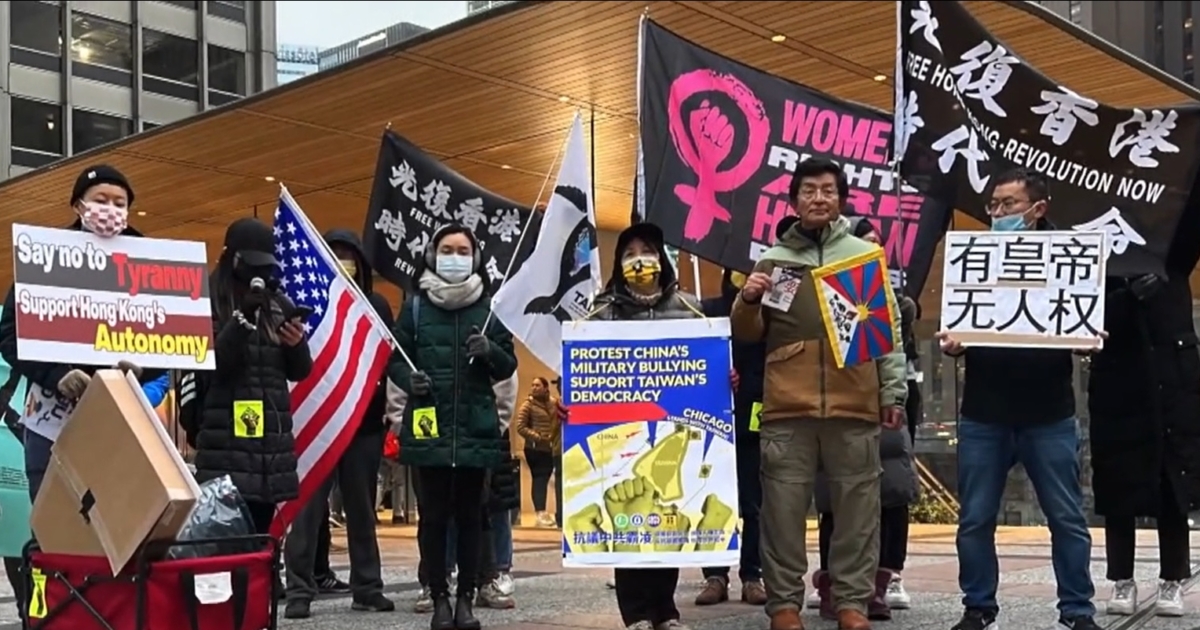
d legal repercussions. Activists may be jailed, tortured, or even killed in extreme cases, causing a chilling effect on future protests and advocacy efforts.
The role of journalists and independent media cannot be overstated in this context. They serve as watchdogs of society, uncovering injustices and bringing poignant stories to light. However, the increasing suppression of press freedoms globally poses a severe threat to the effectiveness of protest movements.
In the face of adversity, the human spirit remains unyielding. Each protest ignites hope and fosters a sense of community among those fighting for justice. While challenges persist, the ever-growing global awareness of issues relating to human rights violations signals a shift in societal attitudes.
The youth, in particular, have emerged as formidable advocates for change, utilizing their energy and resources to push for reforms that reflect their values and aspirations. It is imperative that this momentum is sustained and nurtured, encouraging the next generation of activists to continue the fight for justice and equality.
The struggle against human rights violations is a collective endeavor that requires unwavering dedication and collaboration across borders. The voices of those who protest echo the sentiments of millions who seek justice, dignity, and freedom. As we reflect on the past and look toward the future, the importance of advocating for human rights remains paramount. By standing together, we can foster change and ensure that the fundamental rights of every individual are upheld and protected.